

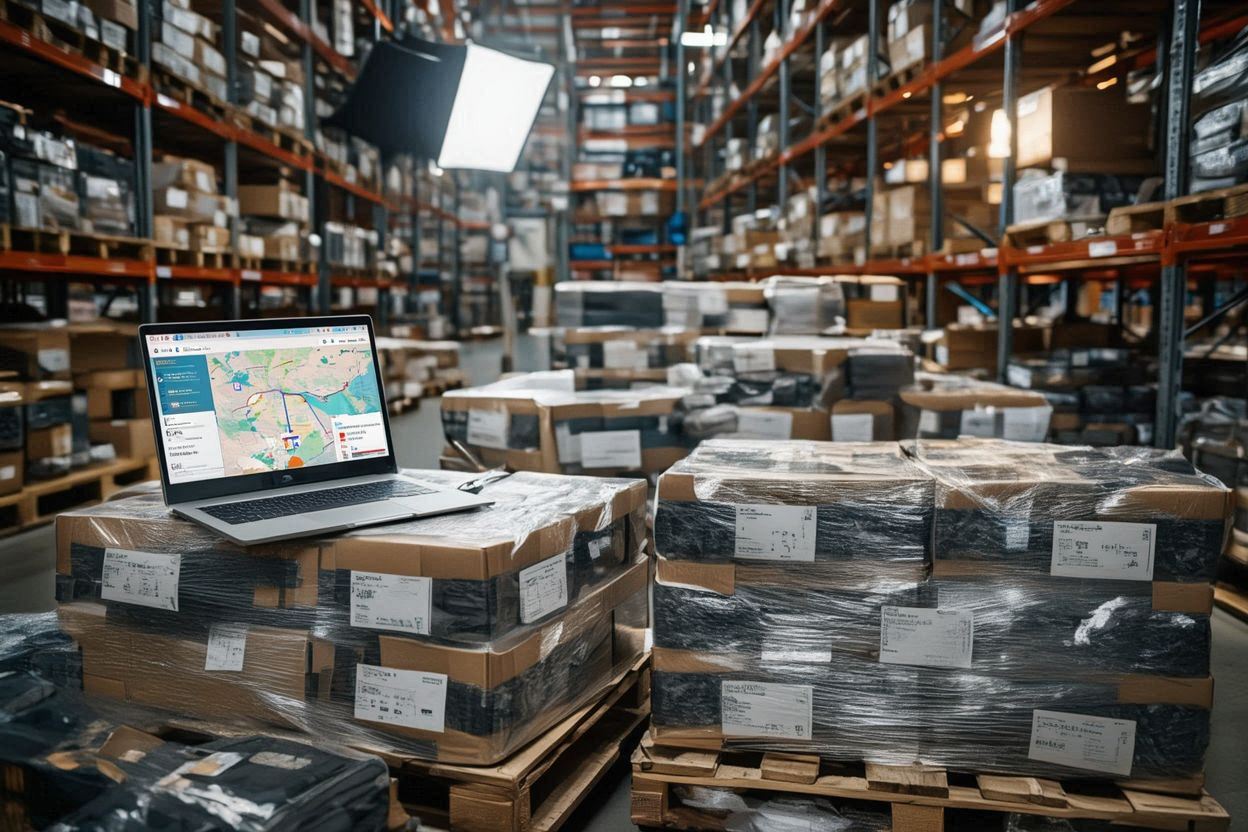
Track shisha charcoal shipment online has become a crucial step for businesses involved in the global hookah industry. Whether you are an importer, distributor, or retailer, knowing the exact location and status of your shipment ensures smooth operations and better planning. Moreover, with international logistics involving multiple checkpoints, online tracking tools provide transparency and control like never before. As a result, businesses can reduce uncertainty and improve overall efficiency.
In addition, understanding shipment monitoring systems is essential for avoiding delays and maintaining customer satisfaction. To gain a clearer understanding of the process, you can read this detailed guide on how to monitor shisha charcoal shipment status, which explains practical steps in a simple and effective way.
Importance of Monitoring Charcoal Shipment Status in Real Time
First of all, real-time shipment tracking plays a vital role in modern supply chains. For shisha charcoal products, which are often shipped in bulk across countries, even minor delays can affect inventory levels and business commitments. Consequently, businesses must stay proactive in monitoring their shipments.
Furthermore, by tracking shipments consistently, businesses can achieve several advantages. For example, they can get accurate delivery estimates and respond quickly to unexpected delays. In addition, they can improve coordination with logistics partners while also enhancing customer communication. Therefore, real-time tracking is no longer optional but a necessity.
- Get accurate delivery estimates
- Respond quickly to unexpected delays
- Improve coordination with logistics partners
- Enhance customer communication
Best Tools to Track Shisha Charcoal Shipment Online
Next, there are several tools available that help businesses stay updated on their shipments. Choosing the right platform can make a significant difference in efficiency. In particular, digital tools simplify complex logistics processes and provide real-time insights.
1. Using Carrier Tracking Systems for Charcoal Delivery
To begin with, shipping carriers provide tracking systems where users can input tracking numbers to see real-time updates. These systems are reliable and widely used for both air and sea freight shipments. Therefore, they are often the first option for many businesses.
2. Freight Forwarder Dashboards for Shipment Visibility
On the other hand, freight forwarders often offer centralized dashboards that combine information from multiple carriers. As a result, this simplifies the process and allows businesses to monitor all shipments in one place. In addition, it reduces the need to switch between different tracking platforms.
3. Container Tracking via Shipping Lines
Meanwhile, for large-scale shipments, container tracking using Bill of Lading or container numbers is highly effective. Shipping line websites provide detailed movement history and estimated arrival times. Thus, businesses can plan their inventory and distribution more accurately.
For those who want to continue learning about shipment tracking and logistics strategies, visiting filmusica.com can be a helpful next step to explore more related insights.
Common Issues When Tracking Charcoal Shipments
However, even with advanced systems, some challenges may arise during tracking. Being aware of these issues helps businesses prepare better. For instance, delays in system updates can create confusion. Similarly, incorrect tracking numbers may lead to inaccurate information.
- Delayed system updates from carriers
- Incorrect or inactive tracking numbers
- Customs clearance hold-ups
- Miscommunication between logistics providers
Therefore, to minimize these risks, always confirm shipment details and maintain communication with your logistics partners. In addition, double-checking information can prevent unnecessary complications.
Conclusion
In conclusion, mastering how to track shisha charcoal shipment online is essential for any business involved in international charcoal trade. With the right tools, strategies, and awareness of potential challenges, businesses can ensure timely and secure deliveries.
Ultimately, by implementing the tips discussed above, businesses can improve logistics performance, reduce risks, and maintain strong relationships with customers and partners.
